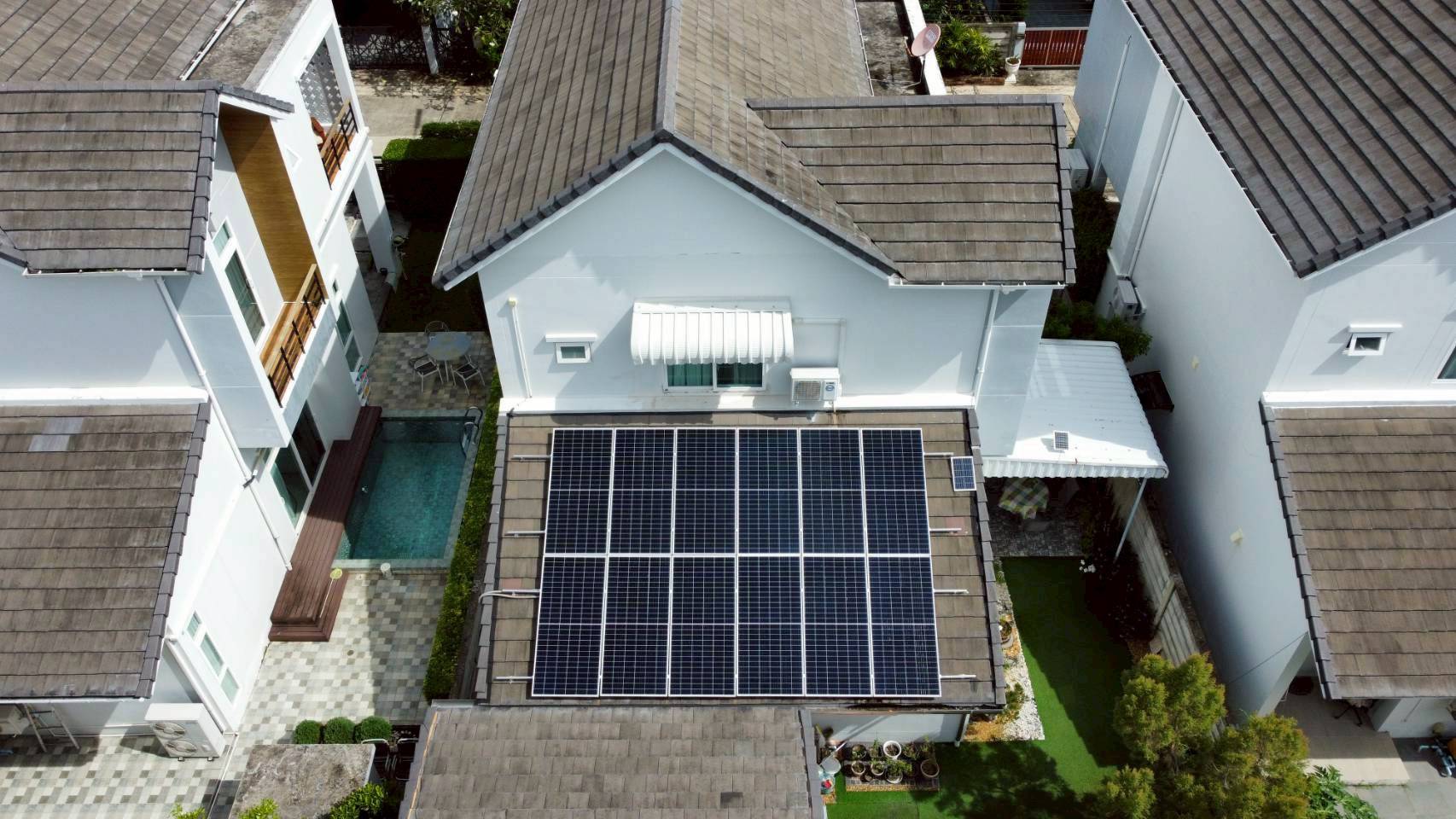
The Thai government has introduced a new measure to promote the use of clean energy. According to an announcement published in the Royal Gazette, individuals are now eligible for a personal income tax exemption for expenses related to purchasing and installing solar rooftop systems for residential use.
This policy is considered an important step in encouraging households to adopt renewable energy, reduce electricity costs, and contribute to environmental sustainability in the long term.
The measure was issued under the Revenue Code through Royal Decree No. 805, which allows taxpayers to claim a tax deduction for expenses incurred in purchasing equipment and installing solar power systems. The policy will be effective from March 3, 2026, to December 31, 2028.
Under this measure, individual taxpayers can deduct actual expenses of up to 200,000 baht for the purchase and installation of solar rooftop systems on their residential properties.
Details of the Tax Incentive
The main objective of the measure is to encourage households to generate electricity from renewable energy sources. Individual taxpayers who install solar rooftop systems connected to the electricity grid are eligible to claim tax deductions for certain related expenses.
Eligible expenses include:
-
Solar panels
-
Inverters and electrical system equipment
-
Installation and labor costs
-
Other related components required for the solar power system
However, the tax deduction can be claimed only once per taxpayer and must be for a residential property owned by the taxpayer, not for commercial or business purposes.
Promoting Clean Energy and Reducing Electricity Costs
The solar rooftop tax incentive forms part of Thailand’s broader energy policy to increase the proportion of renewable energy in the country’s power generation mix. Solar energy is considered one of the cleanest energy sources, producing electricity without air pollution and utilizing Thailand’s abundant year-round sunlight.
For homeowners, installing a solar rooftop system can significantly reduce electricity bills in the long term, while also increasing property value and lowering greenhouse gas emissions. These benefits align with national and global sustainability goals.
Furthermore, the policy is expected to stimulate growth in the renewable energy industry, including solar equipment manufacturers, installation service providers, and related energy technologies.
Opportunities for Homeowners and the Real Estate Sector
The tax incentive may also benefit the real estate sector, particularly housing developments that incorporate renewable energy solutions such as solar rooftop systems. Properties designed with clean energy features may become more attractive to buyers who wish to take advantage of tax deductions and reduce long-term energy costs.
Globally, homes equipped with solar energy systems are becoming an important trend in sustainable housing. Thailand is gradually following this trend, particularly in major economic and tourism destinations such as Bangkok, Chiang Mai, and Phuket, where demand for environmentally friendly housing continues to grow.
Conclusion
The personal income tax exemption for solar rooftop installation represents a significant government initiative aimed at encouraging households to adopt renewable energy. The measure helps reduce electricity expenses, supports environmental sustainability, and stimulates growth in the clean energy sector.
Homeowners who are considering installing a solar rooftop system should review the details of the policy and work with certified installation providers to ensure they can fully benefit from the available tax incentives.
References
-
Royal Gazette: Royal Decree on Tax Exemption (No. 805) B.E. 2569
-
Thansettakij Economic News: Solar Rooftop Tax Deduction Policy
-
Finnomena: Summary of Solar Rooftop Tax Incentives in Thailand