Introduction
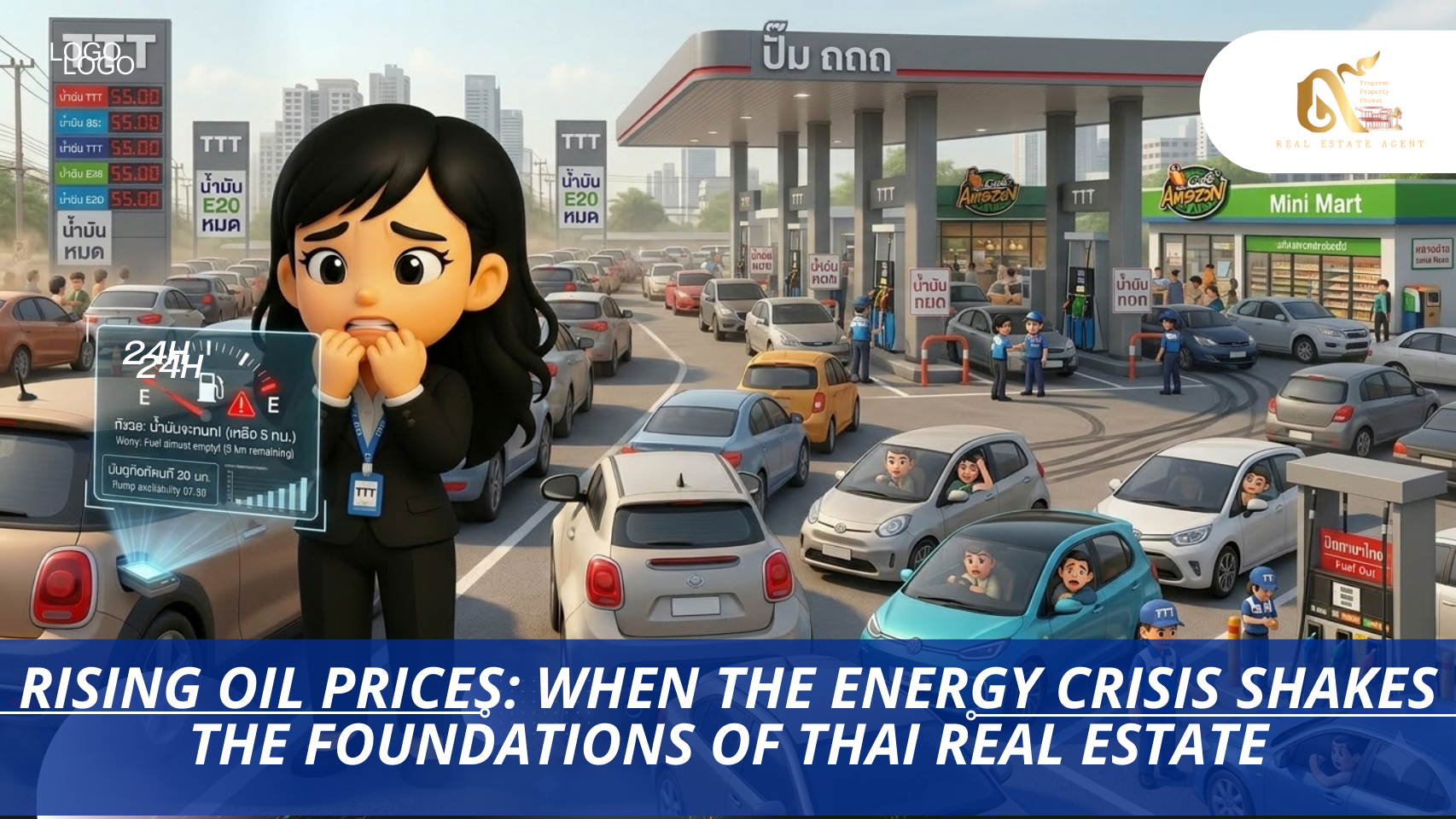
When we refuel at service stations and see prices soaring, the first thing that comes to mind for many is the increased burden of travel expenses. However, in a deeply interconnected economic world, every drop of rising oil price sends shockwaves far beyond the highways. The current energy price crisis (data as of March 2026) is becoming a crucial “variable” that is revolutionizing the Thai real estate sector, spanning from construction costs to housing purchasing behavior. This article provides a deep dive into this structural relationship, exploring how rising oil prices are transforming our “homes.”
Blow 1: Soaring Construction Costs (Supply Side Hit)
The most severe direct impact of oil prices on real estate is the escalation of “construction costs.” The construction industry is heavily dependent on energy, both for material production and transportation.
-
More Expensive Construction Materials: Core materials such as cement, steel, bricks, and stones are extremely heavy and rely heavily on transportation from production sites to construction jobsites. As diesel prices, the heart of logistics, soar, these costs inevitably rise. Furthermore, petrochemical-related materials like house paint, PVC pipes, and various plastics contain direct crude oil components. Ultimately, these costs are often passed on to the future selling prices of new homes.
Blow 2: Shrinking Purchasing Power Due to Inflation (Demand Slump)
While developers face rising costs, consumers are simultaneously battling a “war on two fronts.” Oil prices are an indirect cost for almost all consumer goods. When transportation costs rise, the prices of food, household items, and various services follow suit, leading to “inflation.”
-
Higher Cost of Living: The value of money in consumer pockets decreases. Necessary expenses consume a larger share of income, reducing the ability to save for a home down payment or manage installment payments.
Blow 3: Shifts in “Location” and “Function”
The energy crisis is not only changing “prices” but is also radically shifting the “behaviors” and “demands” of home buyers. Once-attractive locations may be overlooked, while new functions may become essential.
-
Locations Near Electric Train Stations Are Safer: As driving personal vehicles becomes unsustainably expensive, residential locations “near public transportation systems,” particularly electric trains (BTS/MRT), will gain increasing importance. Buyers will be willing to pay a premium for “convenient commuting locations” in exchange for long-term energy savings. Conversely, suburban locations that rely solely on driving may face stagnation.
-
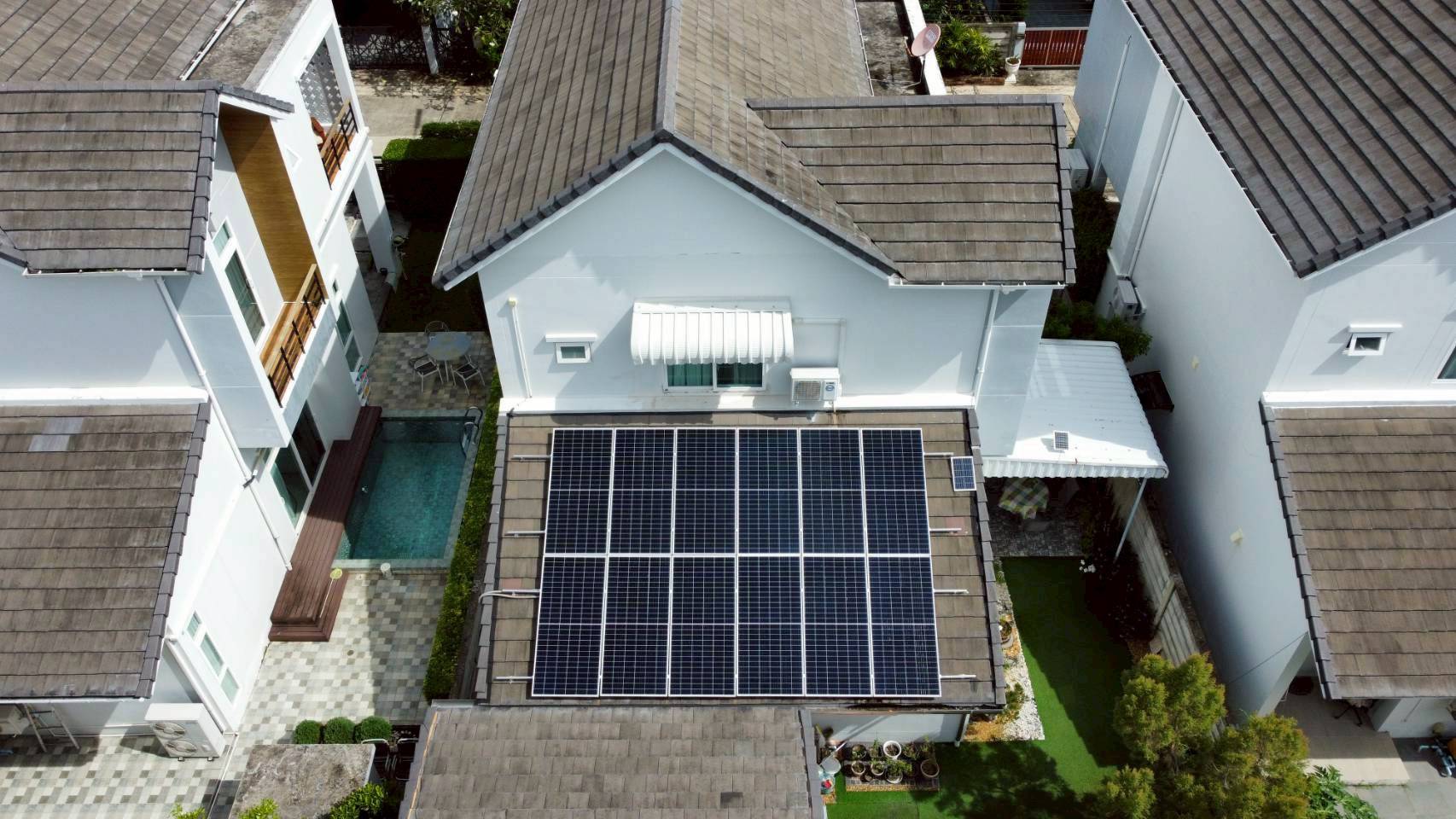
“Eco-friendly” Homes are a Survival Strategy, Not Just a Choice: The demand for homes designed for “energy efficiency” will grow exponentially. Buyers will prioritize cost-reducing functions, such as solar cell installation, optimal wind flow design, high-quality heat insulation, and in-home EV charging points. Developers capable of meeting these needs will gain a significant competitive edge in a highly contested market.
Conclusion: Crisis is an Opportunity for Adaptation
Oil prices are not merely an energy issue; they are a “variable” revolutionizing the Thai real estate sector across the board. Adaptation by both developers and consumers is necessary. Developers must accelerate the adoption of new construction technologies to reduce costs, prioritize “energy-efficient” home designs, and implement sustainable energy solutions to add value to their projects.
Every crisis presents an opportunity. For the real estate sector, the oil crisis acts as an accelerator for change towards more sustainable and efficient development. Those who can adapt quickly will be the ones to survive this wave of volatility.
References:
-
Real Estate Information Center (REIC) – “Summary of the Housing Market Situation”: Analysis of the impact of inflation on home loans and construction material costs.
-
Ministry of Commerce (Department of Internal Trade) – “Construction Material Price Index”: Statistical data on construction material prices based on oil price changes.
-
Bank of Thailand (BoT) – “Monetary Policy Report”: Analysis of oil price volatility on inflation and interest rates.
-
REIC AI Center / Housing Business Association – “Energy Crisis Further Burdens Thai Real Estate!”: Concerns over a 5-7% increase in material costs and an 8-10% increase in oil-based paints (Data as of March 2026).